
Why Professional Termite Treatment Sydney is Non-Negotiable

What Makes Sydney’s Climate a Breeding Ground for Termites?
Sydney’s warm, humid environment creates ideal conditions for termites Sydney homeowners commonly encounter to thrive year-round. The combination of mild winters and moisture-rich summers allows these pests to remain active continuously, unlike in colder regions where termite activity slows seasonally.
The warm, humid conditions that termite Sydney favour are present across the city’s coastal and suburban areas. Temperatures consistently above 20°C accelerate termite metabolism, enabling them to consume timber at alarming rates. High humidity levels—often exceeding 70% during summer—supply the moisture termites require to survive, as these insects cannot tolerate dry environments.
Sydney climate termites benefit from several environmental factors:
- Consistent warmth that eliminates dormancy periods
- Regular rainfall maintaining soil moisture levels
- Dense urban development providing abundant food sources
- Coastal proximity creating year-round humidity
Coptotermes acinaciformis, commonly known as the Australian subterranean termite, dominates Sydney’s termite population. This species builds massive underground colonies housing up to one million members. They construct elaborate tunnel systems extending 50 metres or more from their nest, allowing them to access multiple properties simultaneously.
These subterranean termites prefer attacking structural timber in contact with soil or moisture. They work silently within walls, under floors, and inside wooden beams, consuming wood from the inside out. By the time homeowners notice damage, colonies have often established themselves for months or years.
The prevalence of Coptotermes acinaciformis in Sydney makes professional termite treatment Sydney residents invest in particularly crucial. This aggressive species causes more structural damage than any other termite type in Australia, accounting for approximately 70% of serious termite damage to homes across the region.
How Do Termites Pose a Significant Threat to Properties in Sydney?
Termites feed relentlessly on cellulose-based materials, consuming wood from the inside out whilst leaving exterior surfaces intact. This feeding pattern makes structural damage termites cause particularly insidious, as property owners often remain unaware of the destruction occurring within their walls and foundations until critical damage has already been done.
The Silent Destruction of Wood
A single termite colony can consume approximately 13 pounds of wood per week. When colonies reach populations of several hundred thousand to a million members, this consumption rate accelerates dramatically. The workers operate 24 hours a day, systematically hollowing out timber structures whilst maintaining a thin veneer of wood or paint on the surface to protect themselves from light and air exposure.
Termite damage Sydney homes experience follows a predictable yet devastating pattern:
- Support beams lose their load-bearing capacity as internal structures are consumed
- Floor joists become compromised, leading to sagging or collapsing floors
- Wall studs weaken, creating instability in entire wall sections
- Window and door frames deteriorate, affecting both function and security
- Roof timbers become structurally unsound, risking collapse
Hidden Damage That Escalates Quickly
The concealed nature of termite activity allows damage to progress from minor to catastrophic within months. Subterranean termites like Coptotermes acinaciformis travel through mud tubes and underground tunnels, accessing properties through cracks as narrow as 1.5mm. They establish feeding sites deep within structural timber, where moisture levels and darkness provide optimal conditions.
By the time visible signs appear—such as buckling floors or cracked plasterboard—the internal damage has typically reached advanced stages. Repair costs escalate exponentially as the infestation spreads, with severe cases requiring complete replacement of structural elements rather than simple repairs.
What Are the Signs of a Termite Infestation That Homeowners Should Look Out For?
Termite infestation signs appear in distinct patterns that reveal hidden colony activity. Early detection saves thousands in repair costs and prevents structural collapse.
Mud Tubes on Walls and Foundations
Termites construct pencil-width mud tunnels along walls, foundations, and other surfaces to travel between their colony and food sources. These tubes protect termites from predators and maintain the moisture levels they need to survive. Check areas where concrete meets timber, along skirting boards, and in subfloor spaces. Fresh tubes appear moist and intact, whilst abandoned ones crumble easily when touched.
Hollow-Sounding Timber
Timber that sounds hollow when tapped indicates termites have consumed the interior wood whilst leaving the outer shell intact. Test door frames, window sills, architraves, and skirting boards by knocking gently with your knuckles. Damaged wood may also feel soft or give way under slight pressure. Detecting termites Sydney properties requires systematic checking of all accessible timber elements.
Bubbling or Blistering Paint
Paint surfaces that bubble, blister, or appear water-damaged without any moisture source suggest termite activity beneath. Termites create moisture as they tunnel through wood, causing paint to lift and distort. This damage resembles water damage but occurs in areas with no plumbing or leak history.
Sagging Floors and Ceilings
Floors that feel spongy, bounce when walked upon, or visibly sag indicate compromised structural timber. Ceilings may also droop or develop cracks as termites weaken support beams. These symptoms represent advanced damage requiring immediate professional assessment.
Discarded Wings Near Entry Points
Winged termites (alates) swarm during spring and summer to establish new colonies. After finding suitable locations, they shed their wings in small piles near windows, doors, and light fixtures. These discarded wings appear translucent and equal in size, typically measuring 6-10mm in length.
Termite Droppings (Frass)
Drywood termites produce distinctive pellet-shaped droppings that accumulate below infested timber.
Why Is It Crucial for Homeowners in Sydney to Get Professional Termite Inspections?
Professional termite inspections provide access to specialised equipment and expertise that spot infestations invisible to the untrained eye. Homeowners who rely solely on visual checks miss the hidden colonies thriving behind walls, under floors, and within roof cavities—areas where termites cause the most devastating damage.
Advanced Technology Reveals What Eyes Cannot See
Thermal imaging cameras detect temperature variations in walls and floors that indicate termite activity. Active termite colonies generate heat, creating thermal signatures that appear as distinct patterns on infrared displays. These cameras identify problem areas without requiring invasive drilling or wall removal.
Moisture meters pinpoint elevated humidity levels that attract termites and signal potential nesting sites. Subterranean species like Coptotermes acinaciformis seek out damp timber, making moisture detection a critical component of any thorough inspection. The meters measure moisture content in wood and building materials, revealing conditions conducive to infestation.
Borescopes allow inspectors to examine concealed spaces through small access holes. These flexible cameras navigate through wall cavities, subfloors, and roof voids, capturing video footage of areas completely inaccessible during standard visual inspections. The technology exposes active galleries, mud tubes, and structural damage hidden from view.
The Tangible Benefits of Early Detection
Catching termites early prevents minor issues from escalating into structural catastrophes. A professional termite inspection identifies infestations when colonies are small and damage remains limited, reducing treatment costs by thousands of pounds.
Accurate species identification shapes treatment strategies. Different termite species respond to different control methods, and professionals distinguish between subterranean, drywood, and dampwood varieties. This precision ensures the selected treatment targets the specific species present in your property.
Hidden damage assessment reveals the true extent of structural compromise. Inspectors evaluate load-bearing timbers, floor joists, and support beams, documenting damage severity with detailed reports and photographic evidence. This information guides repair priorities and helps homeowners understand the urgency of intervention.
Prevention of colony expansion stops termites before they spread to adjacent structures. Regular professional termite inspections create a monitoring system that tracks termite activity patterns around your property, allowing for proactive measures to be implemented as needed. You may like to visit https://www.cityservices.act.gov.au/pets-and-wildlife/wildlife/pest-insects/termites to get more about termites.
What Does Professional Termite Treatment Involve and Why Is It Effective?
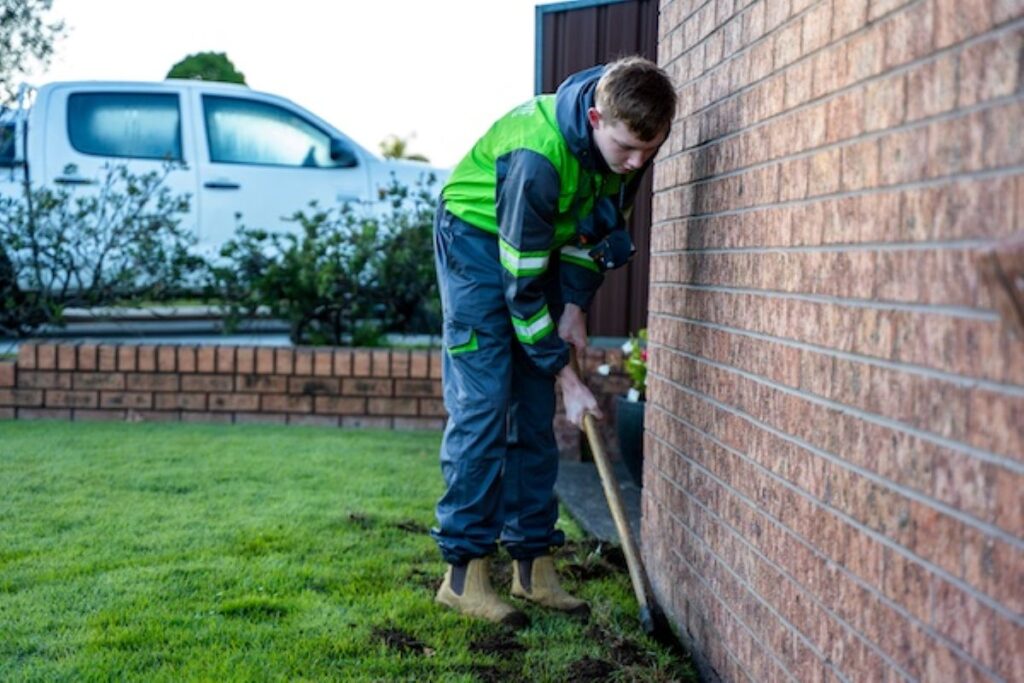
Professional termite treatment combines multiple proven methods tailored to your specific situation. Licensed technicians assess the infestation and property characteristics before implementing a strategic approach using chemical barriers, baiting systems, or a combination of both.
1. Chemical Treatment
Chemical termite treatment forms the foundation of most professional interventions in Sydney. Termiticides are applied directly to the soil around your property’s perimeter, creating a protective barrier that termites cannot cross without exposure to the lethal chemical. These treatments penetrate the ground to reach areas where subterranean termites travel between their nests and food sources.
The application process targets:
- Foundation perimeters and external walls
- Subfloor areas and crawl spaces
- Soil beneath concrete slabs through drilled access points
- Areas surrounding plumbing penetrations and expansion joints
- Garden beds and landscaping adjacent to structures
Modern termiticides used in termite treatment methods Sydney professionals employ provide protection lasting 5-8 years when correctly applied. The chemicals work through transfer effects—termites carry the treatment back to their colony, spreading it among other members including the queen. This domino effect gradually eliminates the entire colony rather than just the termites that directly contact the barrier.
2. Baiting Systems
Baiting systems offer an alternative approach that attracts termites to feeding stations installed around your property. These stations contain cellulose material laced with slow-acting toxins. Termites consume the bait and share it throughout their colony through their natural feeding behaviours. The gradual elimination process takes several months but proves highly effective for complete colony eradication.
Baiting systems work particularly well for:
- Properties where chemical application proves difficult
- Environmentally sensitive areas
- Homes with extensive landscaping
- Situations requiring minimal disruption to daily life
3. Customisation for Effectiveness
The effectiveness of professional treatment stems from precise customisation. Technicians evaluate your property’s unique characteristics before designing a treatment plan. A compact terrace house in Surry Hills requires different strategies than a sprawling property in the Hills District.
Key factors influencing treatment design: Property size and layout determine the extent of chemical application or number of bait stations required. Larger properties with multiple buildings need comprehensive coverage across all structures.
Infestation severity impacts urgency and choice between immediate chemical intervention versus gradual baiting approach.
Environmental considerations guide selection of eco-friendly solutions or compatibility with surrounding ecosystems.
By understanding these factors, technicians can tailor their approach for optimal results based on individual circumstances rather than relying solely on standardised methods.
Can DIY Methods Truly Replace Professional Termite Control in Protecting Properties Long-Term?
DIY termite prevention Sydney methods serve as useful supplementary measures but fall short of providing complete protection against termite colonies. Homeowners can implement several preventative tactics that create less favourable conditions for termite activity, yet these approaches lack the comprehensive coverage and targeted elimination strategies that professional treatments deliver.
Common DIY Prevention Tactics
Property owners frequently employ basic termite risk reduction methods that address environmental factors attracting termites:
- Debris removal: Clearing wood piles, old stumps, untreated timber, and cellulose materials from around the property perimeter eliminates potential food sources
- Moisture control: Fixing leaky pipes, improving drainage systems, installing proper ventilation in subfloors and roof spaces, and redirecting downpipes away from foundations
- Sealing entry points: Filling cracks in concrete slabs, gaps around plumbing penetrations, and spaces in external walls with appropriate sealants
- Termite-resistant materials: Using treated timber, steel framing, or composite materials during renovations and construction projects
These preventative measures create barriers and reduce the attractiveness of properties to foraging termites. Maintaining gardens away from building foundations, storing firewood elevated and distant from structures, and ensuring adequate ventilation all contribute to a less hospitable environment for termite establishment.
The Critical Limitations of DIY Approaches
DIY tactics address surface-level vulnerabilities but cannot detect or eliminate existing colonies. A homeowner might remove every piece of timber debris and maintain perfect moisture levels, yet a subterranean colony of Coptotermes acinaciformis could already be established beneath the property, accessing timber through concealed pathways within walls or under concrete slabs.
Detection capability represents the most significant gap in DIY methods. Without thermal imaging cameras, moisture meters, or borescopes, homeowners cannot identify hidden termite activity behind walls, under floors, or within roof spaces. Termites consume timber from the inside out, leaving thin veneer surfaces that appear intact whilst structural integrity deteriorates internally.
Species identification poses another challenge beyond DIY scope. Different termite species require specific treatment approaches—what works for drywood termites proves ineffective against subterranean varieties.
Is Professional Termite Treatment Really Essential for Protecting Properties from Termites in Sydney?
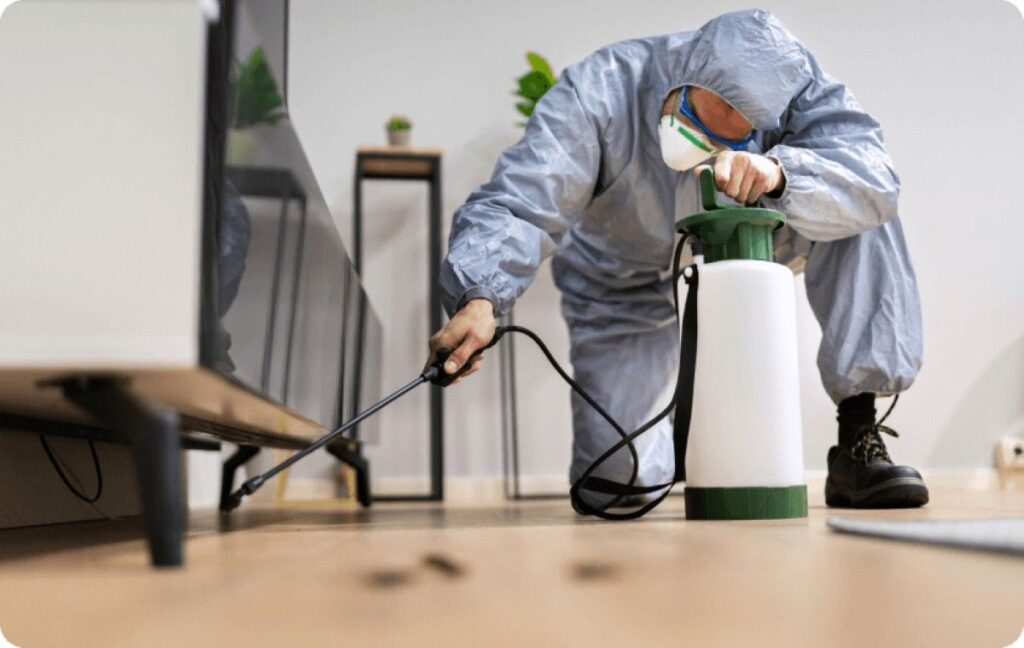
Professional termite treatment is the only effective defence against the ongoing threat of termites in Sydney. Due to the city’s climate, which supports termite populations throughout the year, property owners have two options: either seek professional help or accept unavoidable damage to their structures.
The significance of professional termite treatment Sydney property owners need to understand comes from the extensive termite activity in the area. Colonies can have up to a million members working tirelessly underground, eating wood at a pace that can jeopardise structural stability within months. Homeowners lack the specialised tools, access to chemicals, and technical expertise needed to handle infestations of this size.
The Hidden Cost of Skipping Professional Treatment
Postponing or neglecting professional help creates an illusion of saving money. The costs of repairing termite damage usually surpass prevention costs by ten times or more. When termites eat away at support beams, floor joists, and wall frames, these parts must be entirely replaced—requiring major renovations, temporary relocation, and considerable expenses.
The necessity of termite control becomes clear when we look at the limitations of DIY methods. Termites build colonies in soil beneath buildings, inside wall spaces, and under concrete slabs—areas that are hard to reach without professional-grade detection tools. Treatments applied only on the surface fail to eliminate the queen and main colony members, allowing infestations to continue and spread.
Why Professional Knowledge Cannot Be Replaced
Licensed pest control experts offer three crucial benefits:
- Cutting-edge detection technology such as thermal imaging and moisture meters that uncover hidden activity
- Specialised termiticides with proven effectiveness and long-lasting protection
- Treatment plans tailored to species specific to Sydney’s most common types of termites
The widespread presence of Coptotermes acinaciformis in Sydney requires targeted treatment methods. This aggressive species demands particular chemical barriers and baiting systems that only certified professionals are allowed to use and supervise.
Understanding Why Protection is Essential
Why Professional Termite Treatment Sydney is Essential becomes evident when we assess risks. The environmental conditions in Sydney ensure that termites will always be present—the real question is not if termites will attack a property, but when. Professional treatment establishes. Read more about finding a certified termite specialist Sydney.
FAQs (Frequently Asked Questions)
What makes Sydney’s climate a prime breeding ground for termites?
Sydney’s warm and humid environment creates ideal conditions for termite activity and colony growth. Subterranean species like Coptotermes acinaciformis thrive in this climate, making termite infestations common in the area.
How do termites pose a significant threat to properties in Sydney?
Termites have destructive feeding habits that lead to rapid wood consumption and hidden damage. They target critical structural components such as support beams and floor joists, causing severe structural damage to Sydney homes.
What are the common signs of a termite infestation that homeowners should watch for?
Key indicators include mud tubes, hollow-sounding timber, bubbling paint, sagging floors, discarded wings (alates), and termite droppings (frass). Early recognition of these signs is crucial to prevent severe damage.
Why is it essential for Sydney homeowners to get professional termite inspections?
Professional inspections employ advanced tools like thermal imaging cameras, moisture meters, and borescopes to accurately detect termite presence. Early detection through these inspections helps safeguard properties effectively.
What does professional termite treatment involve and why is it effective in Sydney?
Treatment options include chemical applications to soil and affected areas, use of soil barriers lasting 5-8 years, and baiting systems that gradually eliminate colonies. Treatments are customised based on property size, infestation severity, environmental factors, building materials, and prior termite activity.
Can DIY methods replace professional termite control for long-term property protection?
While DIY tactics such as debris removal, moisture control, sealing entry points, and using termite-resistant materials reduce risk, they cannot substitute comprehensive professional treatment. Professional intervention remains non-negotiable for effective long-term termite control in Sydney.