
Meet the Expert: Finding a Certified Termite Specialist Sydney
Why Should You Hire a Certified Termite Specialist in Sydney?
A certified termite specialist in Sydney has the professional expertise to protect your property from severe structural damage. These trained professionals have the knowledge, equipment, and experience to identify infestations that homeowners often overlook until significant harm has been done.
The Silent Destruction of Termites
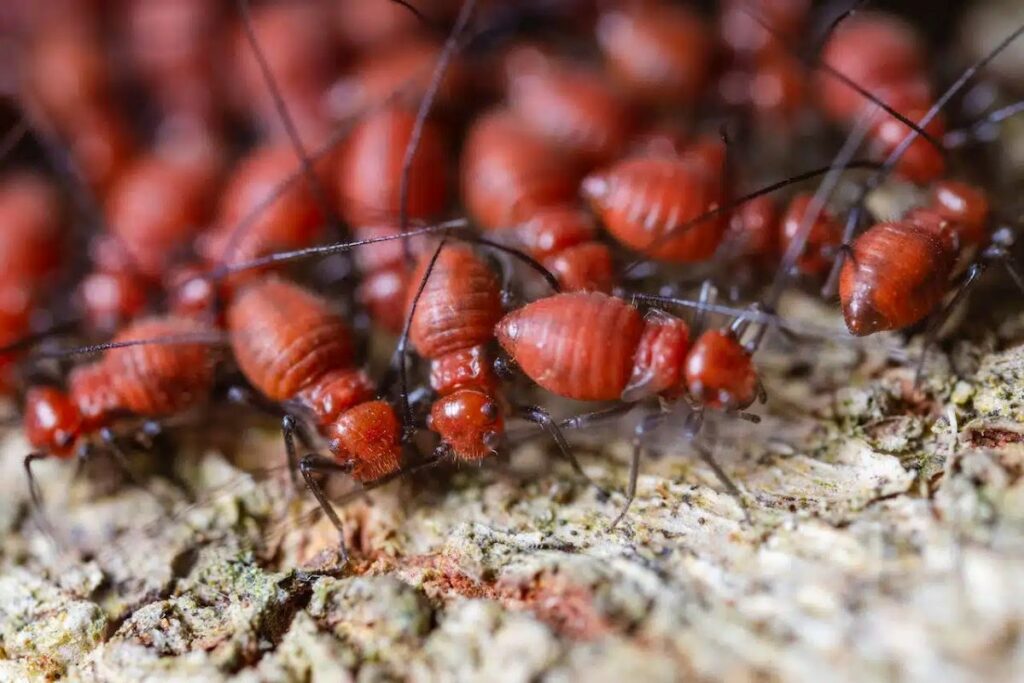
Termites operate quietly behind walls, beneath floors, and within timber structures. They consume wood from the inside out, leaving only thin shells that appear intact on the surface. By the time visible signs such as buckling floors, hollow-sounding timber, or mud tubes become apparent, thousands of pounds worth of damage may already be present.
The Importance of Professional Detection
The hidden nature of termite activity makes professional detection crucial:
- Termites can go undetected for months or even years while actively destroying structural supports.
- A single colony can contain millions of termites consuming up to 13 pounds of wood each week.
- Untrained individuals conducting visual inspections may miss critical warning signs in concealed areas.
How a Termite Expert Can Help
A termite specialist in Sydney understands termite behaviour, preferred nesting sites, and environmental conditions that attract these pests. They conduct thorough termite inspection services using specialised tools to examine areas that homeowners cannot access or properly evaluate. This professional approach allows for early identification of problems when treatment options are most effective and affordable.
The Financial Implications of Termite Damage
Most Australian home insurance policies do not cover termite damage. This means that property owners are fully responsible for the costs incurred, making prevention through expert assessment a wise investment. Certified specialists not only locate existing infestations but also assess risk factors and recommend protective measures tailored to your specific property conditions.
What Qualifications Do Certified Termite Specialists in Sydney Hold?
Certified termite specialists in Sydney hold the PRM40209 Certificate IV in Asset Maintenance (Pest Management), which is the industry-standard qualification for professional pest controllers. This nationally recognised certification shows that they have undergone extensive training in identifying different types of termites, understanding their behaviour, carrying out treatment procedures, and safely managing the use of chemicals.
The PRM40209 Certificate IV Covers Essential Skills
This qualification requires extensive coursework across multiple areas of expertise:
- Understanding termite biology and being able to identify various species found in Australia
- Knowing how to assess risks when inspecting properties
- Being skilled in handling and applying chemicals
- Understanding and interpreting Australian Standards related to termite management
- Communicating effectively with customers and writing reports
- Following workplace health and safety protocols
The certificate usually takes about 12-18 months to complete through registered training organisations. It combines theoretical knowledge with practical experience gained by working under supervision in the field.
Pest Management Licences Provide Legal Authority
In addition to their educational qualifications, termite specialists are also required to have a pest management licence issued by the regulatory authority in their state. In New South Wales, this licence is granted by SafeWork NSW after applicants can prove that they have:
- Completed the necessary training qualifications
- Obtained public liability insurance coverage
- Understood chemical safety regulations
- Knowledge of environmental protection requirements
These licences need to be renewed periodically and require ongoing professional development. This ensures that specialists stay up-to-date with new treatment methods and any changes in regulations.
Formal Training Translates to Detection Expertise
The structured education pathway equips termite specialist qualifications Sydney professionals with diagnostic precision that untrained individuals cannot replicate. Specialists learn to recognise subtle indicators like mud tubes, frass patterns, hollow-sounding timber, and moisture accumulation that signal active infestations.
Training programmes include hands-on experience with inspection equipment, chemical mixing calculations, and treatment application methods. This practical component ensures specialists can confidently navigate crawl spaces, roof cavities, and wall interiors whilst maintaining safety standards.
Accredited training also covers:
- Species-specific treatment approaches for different termite varieties
- Soil chemistry and its impact on chemical barrier effectiveness
- Building construction knowledge to identify vulnerable entry points
- Documentation standards for legal compliance and insurance purposes
The combination of theoretical understanding and practical skill development creates professionals capable of protecting Sydney properties from Australia’s most economically damaging pest.
What Advanced Technologies Do They Use for Termite Inspections?
Certified termite specialists in Sydney rely on sophisticated termite detection technology to uncover hidden infestations that visual inspections alone would miss. These professionals use various advanced tools to examine every corner of a property with precision:
1. Thermal Imaging Cameras
Thermal imaging cameras detect temperature variations in walls, floors, and ceilings that indicate termite activity. Active termite colonies generate heat and moisture, creating thermal signatures that appear as distinct patterns on the camera’s display. This non-invasive tool allows specialists to identify problem areas without damaging building materials.
2. Moisture Meters
Moisture meters measure humidity levels within timber and building structures. Since termites require moisture to survive and often create damp conditions in infested areas, elevated readings signal potential termite presence. Specialists use these devices to pinpoint moisture-rich zones where termites are most likely to establish colonies.
3. Termite Radar Detection Systems
Termite radar detection systems employ microwave technology to penetrate walls and detect movement within cavities. These devices can identify termite activity behind plasterboard, brick veneer, and other solid surfaces without requiring physical access. The radar picks up the vibrations and movements characteristic of active termite colonies.
4. Borescopes
Borescopes feature flexible cables with miniature cameras attached, enabling specialists to inspect confined spaces like wall cavities, subfloor areas, and roof voids. These inspection cameras provide real-time visual confirmation of termite presence in areas that would otherwise remain inaccessible.
The combination of these technologies enables comprehensive property assessments across multiple zones:
- Subfloors: Dark, cramped spaces where termites commonly nest
- Roof voids: Areas with timber framing vulnerable to infestation
- Wall interiors: Hidden cavities where termites travel undetected
- Garden beds: Soil-to-timber contact points near foundations
- Fences: Timber structures providing direct termite pathways
- Outbuildings: Sheds and garages often overlooked during basic inspections
Advanced technology delivers accuracy that traditional inspection methods cannot match. Specialists detect early-stage infestations before visible damage appears, saving property owners thousands in repair costs. These tools also reduce false positives by confirming termite presence.
How Do Certified Specialists Follow Australian Standards in Their Work?
Certified termite specialists in Sydney operate under strict Australian Standards that govern every aspect of their work. AS 3660.1-2014 establishes requirements for protecting buildings from subterranean termites during construction, whilst AS 3660.2-2017 covers soil treatment methods and physical barrier installations. These frameworks ensure specialists deliver consistent, reliable protection across all properties.
Which Standards Apply to Termite Protection?
The two primary standards regulate different phases of termite management:
- AS 3660.1-2014 focuses on new construction and major renovations, mandating specific termite management systems be incorporated during building.
- AS 3660.2-2017 addresses post-construction treatments, particularly chemical soil barriers and reticulation systems installed around existing structures.
Specialists must demonstrate thorough knowledge of both standards when conducting assessments. A property built before current regulations may require retrofitting solutions that comply with AS 3660.2-2017, whilst newer homes should already meet AS 3660.1-2014 requirements—though verification remains essential.
How Does Compliance Guarantee Professional Quality?
Adherence to Australian termite treatment standards provides homeowners with legal protection and quality assurance. Treatments performed outside these guidelines may void warranties, create insurance complications, or fail to provide adequate protection. Certified specialists carry professional indemnity insurance that requires standards compliance.
The standards specify:
- Application rates for chemical treatments per square metre
- Minimum treatment zones around building perimeters
- Documentation requirements for all work performed
- Product specifications including active ingredients and concentrations
- Installation methods for physical barriers and monitoring systems
When specialists follow these protocols, property owners receive documented proof their termite management meets national benchmarks. This documentation becomes invaluable during property sales, insurance claims, or warranty disputes.
What Role Do Standards Play in Inspection Protocols?
Australian Standards shape how certified specialists conduct property inspections. AS 3660.1-2014 outlines specific areas requiring examination, including subfloor spaces, wall cavities, roof voids, and external perimeters. Specialists must check that existing termite management systems remain functional and haven’t been compromised by renovations or landscaping changes.
What Services Do Certified Termite Specialists Provide?
Certified termite specialists deliver a comprehensive suite of services designed to detect, eliminate, and prevent termite infestations. Termite inspection services Sydney professionals offer begin with thorough property examinations using advanced detection equipment, followed by detailed digital reports complete with photographs, risk assessments, and treatment recommendations tailored to each property’s unique circumstances.
Comprehensive Inspection and Reporting
Professional termite inspections extend beyond simple visual checks. Specialists examine every accessible area of a property—from subfloors and roof voids to wall cavities, garden beds, fences, and outbuildings. Digital reporting systems provide homeowners with photographic evidence of termite activity, moisture problems, and structural vulnerabilities. These reports include clear risk ratings and prioritised action plans, giving property owners a complete understanding of their termite situation.
Chemical Treatment Solutions
Chemical treatments termites specialists employ involve liquid termiticides applied to soil around and beneath structures. Two primary products dominate professional applications:
- Termidor HE containing fipronil creates a treated zone that termites cannot detect, allowing them to transfer the active ingredient throughout their colony
- Premise with imidacloprid works similarly, disrupting termite nervous systems and causing colony-wide elimination
These termiticides form protective barriers lasting several years when applied correctly according to manufacturer specifications and Australian Standards.
Baiting System Technology
Baiting systems termites experts install offer a non-invasive alternative to liquid treatments. Systems like Sentricon and Trelona use strategically placed monitoring stations containing cellulose material more attractive to termites than timber. Once termites discover the bait, specialists replace monitoring cartridges with active ingredients that disrupt the moulting process. Worker termites carry the bait back to their colony, gradually eliminating the entire population including the queen.
Baiting systems require patience—colony elimination typically takes 3-12 months—but they provide targeted treatment without extensive chemical application to soil.
Physical Barrier Installation
The Greenzone system represents modern physical barrier technology. This stainless steel mesh and graded stone barrier prevents termite entry at the building perimeter. Specialists install these systems during construction or renovation, creating a permanent mechanical barrier that requires no ongoing maintenance or chemical intervention.
How Do They Ensure Safety and Environmental Responsibility?
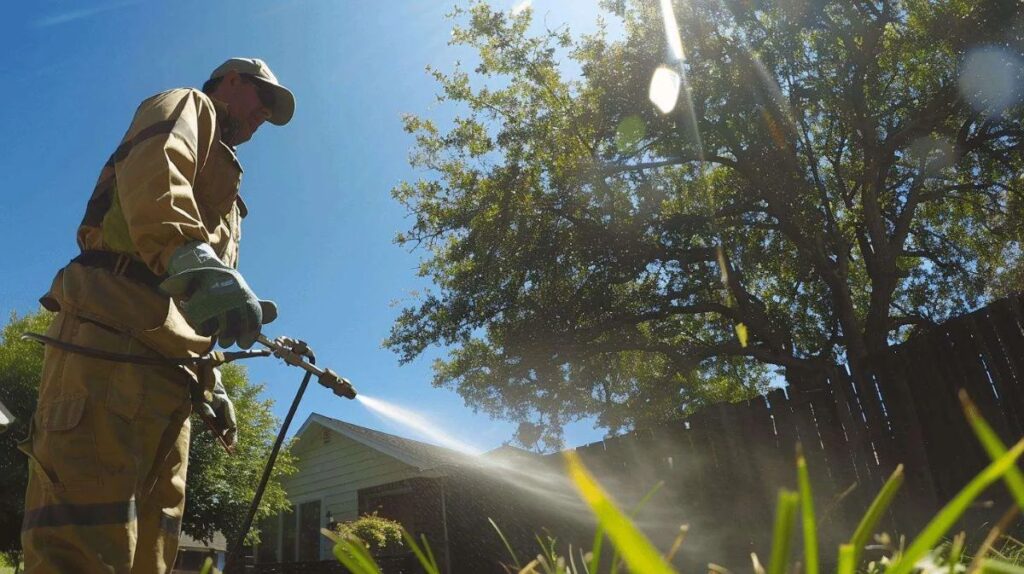
Safe termite treatment Sydney protocols begin with certified specialists wearing full protective equipment during every treatment application. Technicians don respirators, gloves, protective eyewear, and specialised clothing to prevent chemical exposure whilst handling termiticides or applying dust formulations in confined spaces like subfloors and wall cavities.
Effective Yet Environmentally Friendly Treatment Products
The selection of treatment products reflects a careful balance between effectiveness and environmental stewardship. Modern termiticides like Termidor HE and Premise use active ingredients that target termite nervous systems specifically, reducing the volume of chemicals needed compared to older formulations. These products break down naturally in soil over time, leaving minimal environmental footprint.
Eco-friendly pest control termites solutions prioritise low-toxicity options for households with children, pets, or residents with chemical sensitivities. Baiting systems such as Sentricon and Trelona contain active ingredients that only affect termites during their moulting process, posing negligible risk to mammals, birds, or beneficial insects. The bait stations remain sealed underground, preventing accidental contact with non-target organisms.
Precise Application Techniques for Minimal Impact
Specialists apply chemical barriers with precision equipment that controls application rates and prevents overspray. Injection systems deliver termiticides directly into soil beneath concrete slabs or around building perimeters, minimising surface exposure. Foaming applications expand to fill wall voids completely whilst using measured doses that eliminate waste.
Water-based formulations have replaced many solvent-based products in the industry. These modern treatments emit fewer volatile organic compounds (VOCs), reducing indoor air quality concerns during and after application. Specialists ventilate treated areas appropriately and provide clear guidance on re-entry times.
Responsible Handling and Disposal Practices
The commitment to safety extends to proper storage and disposal of treatment materials. Licensed professionals transport chemicals in approved containers, store them in secure facilities, and dispose of empty containers according to environmental regulations. They maintain detailed records of products used, quantities applied, and application locations for accountability.
Tailored Strategies for Sensitive Areas
Specialists conduct pre-treatment assessments to identify sensitive areas requiring extra precautions:
- Fish ponds or aquariums near treatment zones
- Vegetable gardens adjacent to chemical barrier installations
- Wells or water sources within the property boundaries
- Areas frequented by pets or young children
These assessments inform customised application strategies that protect vulnerable areas whilst maintaining treatment efficacy.
How Are Solutions Tailored to Each Property’s Needs?
Certified termite specialists in Sydney reject generic treatment plans, instead conducting detailed property assessments before recommending any intervention. The first step involves identifying the termite species present—whether destructive subterranean termites, dampwood species, or drywood varieties—since each requires distinct treatment approaches. Specialists measure the infestation’s extent by examining active termite workings, damaged timber, mud tubes, and colony locations throughout the property.
Building structure termites considerations play a critical role in treatment planning. Older weatherboard homes with suspended timber floors demand different strategies than modern brick veneer constructions or multi-storey apartments. Specialists evaluate:
- Foundation types (concrete slab, suspended floor, pier and beam)
- Wall cavity accessibility for chemical application
- Roof void ventilation and moisture levels
- Timber-to-ground contact points
- Existing termite protection systems or their absence
Soil type termites analysis directly influences chemical treatment effectiveness. Sandy soils allow faster chemical dispersion but may require higher application volumes, whilst clay-heavy soils retain moisture longer, potentially affecting termiticide longevity. Specialists test soil composition, pH levels, and compaction to calculate precise chemical volumes and application techniques.
Drainage patterns around properties receive careful scrutiny. Poor drainage creates moisture accumulation—a primary termite attractant. Specialists identify:
- Downpipe discharge points directing water toward foundations
- Garden irrigation systems positioned too close to structures
- Natural water flow paths during heavy Sydney rainfall
- Areas of standing water or inadequate slope grading
Environmental factors unique to each Sydney location shape treatment recommendations. Properties backing onto bushland face higher termite pressure than suburban homes. Coastal properties contend with salt-laden air affecting certain treatment products. Specialists account for nearby eucalyptus trees (natural termite habitats), neighbouring infested properties, and local termite activity patterns documented through years of regional experience.
Customized termite solutions Sydney specialists design might combine multiple treatment methods for optimal protection. A property with active infestation in one area might receive immediate chemical treatment there, whilst vulnerable zones receive preventative baiting stations. Homes with sensitive gardens or water features benefit from targeted spot treatments rather than blanket chemical applications.
The personalised approach extends.
Why Are Regular Termite Inspections Crucial in Sydney Homes?
Can termites destroy your home without you knowing? Yes, termites operate silently within walls, subfloors, and structural timber for months or even years before visible signs appear. By the time homeowners notice sagging floors, hollow-sounding timber, or mud tubes, significant structural damage has often occurred.
Annual termite inspections Sydney provide the only reliable method for early termite detection before infestations escalate. Professional specialists identify subtle warning signs invisible to untrained eyes—moisture patterns, faint mud trails, or minor timber discolouration that signal termite activity in its earliest stages.
The Financial Risk of Skipping Inspections
Most Australian home insurance policies explicitly exclude termite damage from coverage. Homeowners bear the full financial burden of repairs, which can reach tens of thousands of dollars when structural elements require replacement. A single inspection costs a fraction of potential repair expenses.
The Australian property market recognises this risk. Pre-purchase building inspections routinely include termite assessments because undetected infestations can devalue properties significantly or derail sales entirely.
Why Annual Frequency Matters
Sydney’s warm, humid climate creates ideal conditions for termite colonies to establish and expand rapidly. A property cleared of termites today remains vulnerable to new colonies migrating from neighbouring areas or establishing from airborne reproductives.
Early termite detection through scheduled annual inspections allows specialists to:
- Monitor changes in termite pressure around the property
- Identify new conducive conditions like moisture accumulation or landscaping changes
- Verify the ongoing effectiveness of existing termite barriers or baiting systems
- Catch new infestations when treatment remains straightforward and affordable
Properties with previous termite activity face elevated risk and may benefit from more frequent inspections every six months. Specialists adjust inspection schedules based on individual property risk factors identified during assessments.
Proactive Maintenance vs Reactive Repairs
Waiting for visible termite damage before seeking professional help transforms a manageable situation into a crisis. Structural repairs require builders, engineers, and extensive reconstruction work that disrupts daily life for weeks.
Regular inspections shift the approach from reactive crisis management to proactive property protection. Specialists document property conditions over time, creating a historical record that helps.
What Sets Sydney-Based Certified Termite Experts Apart?
Local termite experts in Sydney bring something invaluable to the table: deep-rooted community knowledge combined with generational expertise. Many family-owned pest control businesses in Sydney have been protecting homes for 35 to 40 years or more, passing down specialised knowledge about Sydney’s unique termite challenges through multiple generations.
Deep Local Knowledge Spanning Decades
These established businesses understand Sydney’s specific termite species, seasonal patterns, and geographical risk zones better than anyone. A family business operating since the 1980s has witnessed how different suburbs respond to termite pressure, which construction methods prove most vulnerable, and how environmental changes affect infestation patterns. This historical perspective allows them to anticipate problems before they escalate.
Trusted termite specialists with decades of experience recognise subtle warning signs that newer operators might miss. They’ve treated thousands of Sydney properties across diverse conditions—from heritage homes in inner suburbs to modern developments in growth corridors—building an irreplaceable database of practical knowledge.
Reputation Built on Customer Relationships
Family-owned businesses stake their reputation on every job. Unlike corporate franchises with rotating staff, these specialists often have the same technicians serving clients for years. This continuity creates accountability and fosters genuine relationships with homeowners.
Positive reviews consistently highlight several qualities:
- Respectful communication that explains technical issues in plain language
- Transparent pricing without hidden fees or pressure tactics
- Thorough documentation showing exactly what was found and treated
- Follow-up care ensuring treatments remain effective
Word-of-mouth referrals drive much of their business, creating a powerful incentive to maintain exceptional service standards. When your family name is on the business, every client interaction matters.
Expertise in Modern Building Compliance
Sydney’s building codes mandate termite protection measures in new construction, yet these homes still face risks. Local termite experts in Sydney understand that physical barriers can fail, chemical treatments degrade, and construction practices sometimes fall short of ideal standards.
Certified specialists know how to:
- Assess whether installed termite management systems function properly
- Identify construction vulnerabilities like bridging of barriers
- Recommend supplementary protection for high-risk features
- Work within warranty requirements without voiding builder guarantees
How Can You Find a Certified Termite Specialist in Sydney?
Finding a certified termite specialist in Sydney starts with verifying their credentials and local expertise. Look for professionals who hold the PRM40209 Certificate IV in Asset Maintenance (Pest Management) and have current pest management licences recognised throughout Australia.
Start your search by:
- Checking online directories of licensed pest management professionals
- Reading customer reviews on Google, Facebook, and industry-specific platforms
- Requesting proof of certifications and insurance coverage
- Asking for references from previous clients in your area
- Comparing inspection reports and treatment methodologies
Professional termite specialists should willingly provide detailed information about their qualifications, experience, and approach to termite management. They will offer comprehensive quotes that outline inspection processes, treatment options, and ongoing monitoring plans.
The Importance of Expertise
Finding a certified termite specialist in Sydney means engaging someone who uses thermal imaging cameras, moisture meters, and other advanced detection equipment. During initial consultations, qualified specialists will explain their adherence to Australian Standards AS 3660.1-2014 and AS 3660.2-2017.
Family-owned businesses with 35-40+ years of local experience often provide the most reliable service. These established companies understand Sydney’s unique termite species, soil conditions, and building structures.
Making Informed Decisions
Request multiple quotes to compare services, but don’t base decisions solely on price. The cheapest option rarely delivers the thorough inspection and effective treatment your property needs. Quality specialists invest in ongoing training, advanced technology, and environmentally responsible products.
Termite damage isn’t covered by most Australian home insurance policies, making professional prevention essential. Annual inspections by certified specialists protect your property investment and provide peace of mind. Contact local experts today to schedule a comprehensive termite assessment tailored to your property’s specific needs.
Related : Why Professional Termite Treatment Sydney is Non-Negotiable
FAQs (Frequently Asked Questions)
Why should I hire a certified termite specialist in Sydney?
Hiring a certified termite specialist in Sydney is crucial due to the silent but destructive nature of termite infestations. Certified experts possess the knowledge and skills to detect and treat termites effectively, protecting your home or property from costly damage.
What qualifications do certified termite specialists in Sydney typically hold?
Certified termite specialists in Sydney usually hold qualifications such as the PRM40209 Certificate IV in Asset Maintenance (Pest Management) along with nationally recognised pest management licenses. These formal certifications ensure they have the expertise required for thorough termite detection and treatment.
What advanced technologies are used by termite specialists for inspections?
Termite specialists employ advanced tools like thermal imaging cameras, moisture meters, termite radar detectors, and borescopes. These technologies enable comprehensive inspections of subfloors, roof voids, walls, garden beds, fences, and outbuildings for accurate termite detection.
How do certified termite specialists in Sydney comply with Australian standards?
They adhere strictly to Australian Standards such as AS 3660.1-2014 and AS 3660.2-2017 for termite protection and soil treatment. Compliance guarantees legal conformity and professional quality in both inspections and treatment protocols.
What range of services do certified termite specialists provide in Sydney?
Certified specialists offer comprehensive inspection services including digital reporting with photos and risk assessments. They provide chemical treatments using termiticides like Termidor HE or Premise, baiting systems such as Sentricon or Trelona, physical barriers like the Greenzone system, foaming/dusting applications, and ongoing monitoring plans for long-term control.
How do certified termite specialists ensure safety and environmental responsibility during treatments?
They use protective gear to safeguard themselves during treatments and select environmentally responsible products that minimise risks to pets and humans. Their commitment to safety ensures that all procedures are conducted responsibly without compromising environmental health.