
Air Conditioning Sydney: How Climate Impacts System Performance
How Does Sydney’s Climate Affect Air Conditioning Performance?
Sydney’s climate directly influences air conditioning performance through its hot summers and variable humidity patterns. The city experiences average summer temperatures ranging from 26°C to 30°C, with peaks exceeding 40°C during heatwaves. These conditions force air conditioning systems to work harder and longer, increasing cooling demand and energy consumption.
The Impact of Hot Weather on Air Conditioning Systems
Hot weather creates an immediate challenge for air conditioning Sydney systems. When outdoor temperatures soar, the temperature difference between inside and outside increases dramatically. Systems must remove more heat from indoor spaces to maintain comfortable conditions, placing greater strain on compressors and refrigerant cycles. During extended heat periods, units may run continuously without cycling off, reducing efficiency and accelerating component wear.
How Humidity Affects Air Conditioning Performance
Humidity adds another layer of complexity to Air Conditioning Sydney: How Climate Impacts System Performance. Sydney’s humidity levels fluctuate considerably throughout summer, ranging from 50% to 70% on average. Air conditioners must handle both sensible heat (temperature) and latent heat (moisture). High humidity forces systems to dedicate more energy to dehumidification, which can compromise temperature control if the unit isn’t properly sized.
Understanding Cooling Load in Sydney’s Climate
The interaction between temperature and humidity creates what’s known as the cooling load—the total amount of heat an air conditioner must remove. Sydney climate conditions produce variable cooling loads that change throughout the day and season.
When humidity rises alongside temperature, the apparent temperature (what it actually feels like) increases significantly. A 30°C day with 70% humidity feels considerably hotter than a 30°C day with 40% humidity. Air conditioning systems must compensate for this perceived temperature difference to maintain comfort.
The Effects of High Humidity on System Efficiency
High humidity also impacts system efficiency in measurable ways:
- Reduced heat transfer efficiency: Moisture in the air reduces the evaporator coil’s ability to absorb heat
- Increased condensate production: More water must be removed from indoor air, requiring additional energy
- Extended run times: Systems operate longer to achieve desired indoor conditions
- Higher electricity consumption: Combined temperature and humidity loads increase power usage by 15-25%
Coastal Versus Inland Climate Challenges
Sydney’s geography creates distinct climate zones that affect air conditioning performance differently. Coastal suburbs
What Factors Should Be Considered for Optimal Air Conditioning in Sydney?
How Room Size and Ceiling Height Affect Cooling Needs
Room size and ceiling height directly determine the cooling capacity required for effective temperature control. A standard 20-square-meter bedroom with 2.4-meter ceilings needs approximately 2.5kW of cooling power, while larger open-plan living areas of 40 square meters may require 5-6kW systems. Rooms with cathedral ceilings or double-height spaces demand significantly more capacity because hot air rises and accumulates in upper zones, creating additional cooling load that standard calculations often underestimate.
The Impact of Insulation Quality on Air Conditioning Efficiency
Quality insulation reduces heat transfer through walls and ceilings, allowing air conditioning systems to maintain comfortable temperatures with less energy consumption. Homes built before modern building codes often lack adequate insulation in roof spaces, causing up to 35% of cooling energy to escape through the ceiling. Properties with proper ceiling batts rated R3.5 or higher, combined with wall insulation, can operate with smaller capacity units while achieving better comfort levels. Poor insulation forces systems to run longer cycles, increasing wear on compressors and driving up electricity costs during Sydney’s extended summer periods.
The difference becomes particularly noticeable during extreme heat events when outdoor temperatures exceed 35°C. Well-insulated homes maintain stable indoor temperatures even when air conditioning systems cycle off, while poorly insulated properties experience rapid temperature spikes within 15-20 minutes of system shutdown.
Why Window Orientation Matters for Cooling Requirements
North and west-facing windows receive intense direct sunlight during summer months, dramatically increasing heat gain and cooling demands. West-facing rooms experience peak solar radiation between 2 PM and 5 PM when outdoor temperatures reach their highest, creating a compounding effect that can add 30-40% to cooling requirements compared to south-facing rooms of identical size.
Key considerations for window-related heat gain include:
- Glass area: Large floor-to-ceiling windows in west-facing living rooms can introduce 2-3kW of additional heat load
- Window treatments: Quality blinds or curtains can reduce heat gain by 45-60% when closed during peak sun hours
- Glass type: Single-pane windows allow three times more heat transfer than double
Which Types of Air Conditioning Systems Are Best Suited for Sydney’s Climate?
Split Systems: The Popular Choice for Individual Rooms
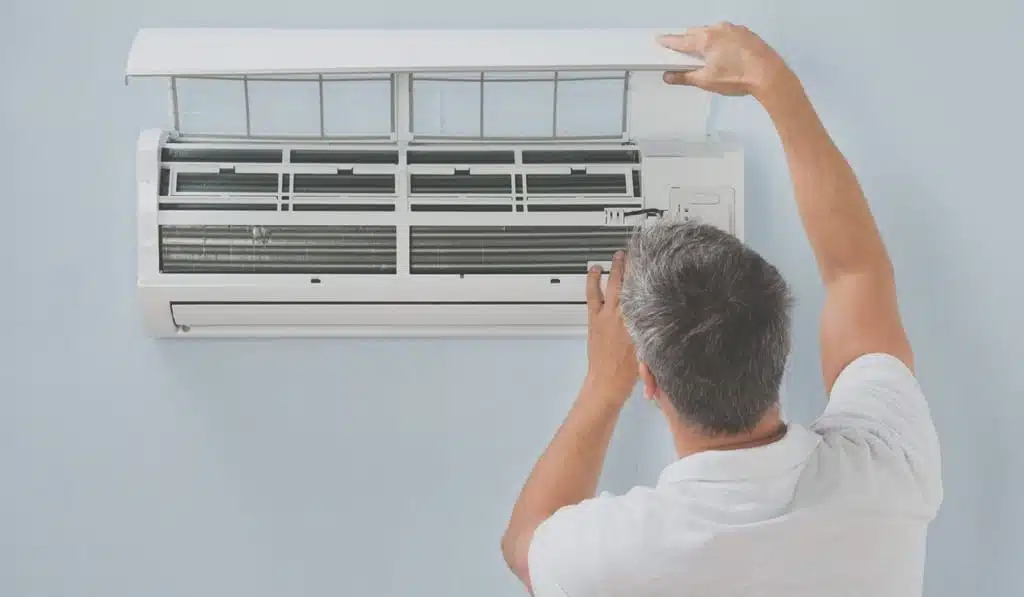
Split systems dominate Sydney homes as the most popular cooling solution for individual rooms or open-plan spaces. These units consist of an indoor wall-mounted component and an outdoor compressor, making them ideal for targeted cooling in bedrooms, living areas, or home offices. Split systems handle Sydney’s summer heat efficiently while offering both heating and cooling capabilities for year-round comfort.
Ducted Systems: Comprehensive Climate Control for Larger Homes
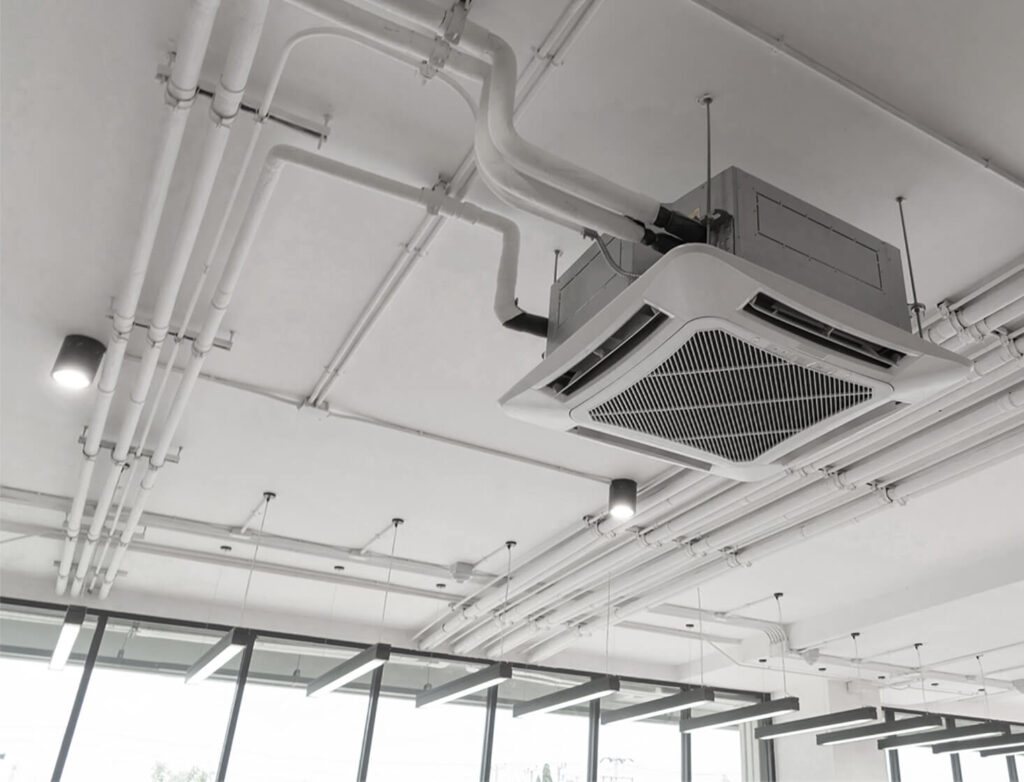
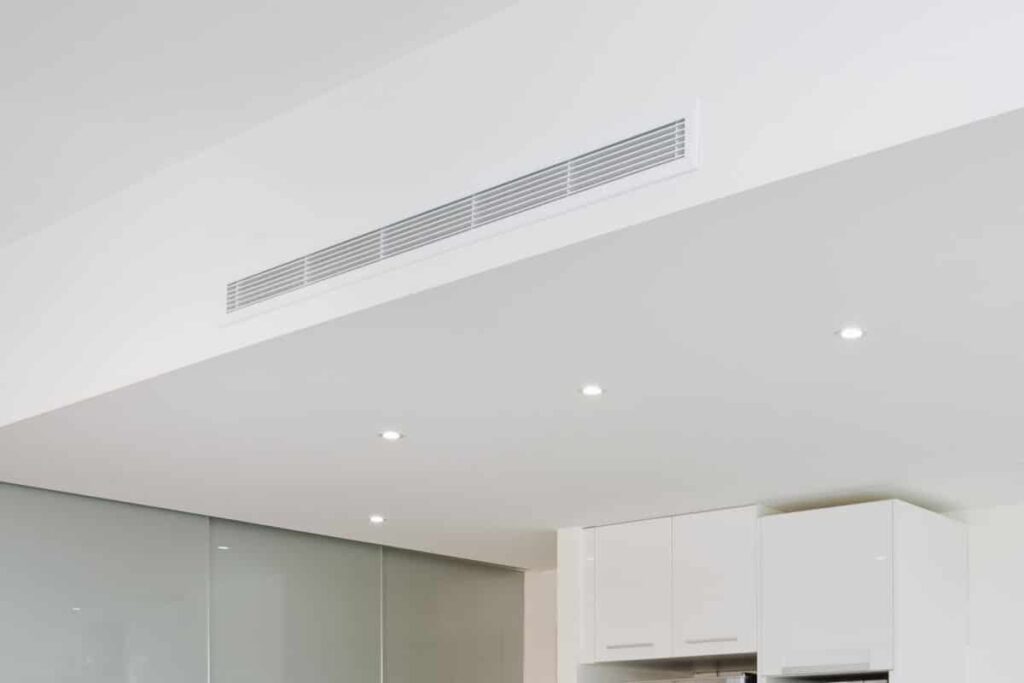
Ducted systems provide comprehensive climate control for entire homes through a network of ducts concealed in ceilings or under floors. A central unit distributes conditioned air to multiple rooms via ceiling vents, creating uniform temperatures throughout the property. This solution works particularly well in Sydney’s larger homes and multi-story residences where cooling several spaces simultaneously becomes necessary.
Window Units: Budget-Friendly Options for Temporary Cooling
Window units serve as budget-friendly options for renters or homeowners seeking temporary cooling solutions. These self-contained systems fit into window frames or wall openings, providing localized cooling for small bedrooms, granny flats, or single rooms. While less common in modern Sydney homes, window units remain practical for older properties where installing split systems proves challenging or cost-prohibitive.
Matching System Types to Sydney’s Climate Conditions
Sydney’s coastal suburbs experience higher humidity levels compared to inland areas. This factor influences the effectiveness of different air conditioning systems:
- Split Systems: These units are well-suited for both coastal and inland regions as they can efficiently cool individual rooms regardless of humidity levels.
- Ducted Systems: Zoning capabilities in ducted systems allow homeowners to address specific temperature variations between coastal and inland properties, ensuring optimal comfort throughout the house.
- Window Units: While window units may be more affordable upfront, their performance may be compromised in humid conditions. Homeowners should consider this aspect when choosing temporary cooling solutions.
By understanding the unique climate conditions across various parts of Sydney, homeowners can make informed decisions about which type of air conditioning system will best meet their needs.
How Does Energy Efficiency Enhance Air Conditioning Performance in Sydney?
Energy efficiency directly determines how well an air conditioning system handles Sydney’s demanding climate while keeping operational costs manageable. Inverter models with higher star ratings consume significantly less electricity than conventional fixed-speed units, particularly during extended summer cooling periods when systems run for hours daily.
Why Are Inverter Air Conditioners Superior for Sydney Conditions?
Inverter technology adjusts compressor speed continuously based on cooling demand rather than switching on and off repeatedly. This variable-speed operation proves especially valuable in Sydney’s fluctuating temperatures, where coastal areas experience sudden temperature drops while inland suburbs maintain intense heat well into evenings.
The compressor ramps up during peak afternoon heat, then scales back as temperatures moderate, maintaining consistent comfort without the energy spikes associated with traditional systems. Fixed-speed units cycle on at full capacity then shut off completely, creating temperature fluctuations and wasting electricity through repeated startup surges.
During Sydney’s humid periods, inverter models excel at dehumidification. They run longer at lower speeds, removing moisture more effectively than conventional units that cycle off before adequate dehumidification occurs. This capability addresses the sticky discomfort many Sydney residents experience during summer humidity spikes.
What Do Star Ratings Mean for Sydney Homeowners?
The Energy Rating Label displays stars ranging from 1 to 10, with higher numbers indicating superior efficiency. A 5-star rated unit uses approximately 30% less electricity than a 3-star model performing the same cooling task.
For Sydney’s climate where air conditioners operate 3-4 months intensively plus shoulder seasons, this difference translates to substantial savings:
- 3-star system: Higher running costs, increased strain during heatwaves
- 5-star system: Balanced efficiency and affordability for most homes
- 7+ star system: Premium efficiency, ideal for large spaces or extended daily use
The star rating reflects performance under standardized test conditions. Real-world efficiency in Sydney depends on installation quality, maintenance practices, and how well the system matches the space’s cooling load.
How Do Energy-Efficient Models Reduce Power Bills?
Sydney households running air conditioning during summer can see electricity bills increase by 30-50%. Energy-efficient inverter models mitigate this impact through their advanced technology and lower energy consumption.
By investing in an energy-efficient air conditioning system, homeowners can enjoy:
- Reduced electricity usage
- Lower power bills
- Increased comfort levels
- Environmental benefits from decreased carbon footprint
These advantages make energy efficiency a crucial factor in selecting an air conditioning unit for homes in Sydney.
Why Is Regular Maintenance Crucial for Air Conditioning Systems in Sydney?
Regular maintenance directly determines whether your air conditioning system survives Sydney’s demanding climate conditions. Without consistent upkeep, even the most efficient units struggle to cope with the extended hot periods and humidity fluctuations characteristic of the region. Learn more about Hills District Air Conditioning trends for 2025.
How Do Filter Changes Impact System Performance?
AC maintenance Sydney starts with one of the simplest yet most critical tasks: filter replacement. Dirty filters restrict airflow, forcing your system to work harder to push cooled air through your home. This increased workload translates to higher energy consumption and reduced cooling capacity precisely when you need it most.
Sydney’s coastal environment introduces additional challenges through salt-laden air and increased dust particles. These contaminants accumulate in filters faster than in inland locations, creating a thick barrier that chokes system efficiency. Clean filters maintain optimal airflow, allowing your air conditioner to distribute cool air evenly throughout your space while consuming less electricity.
The frequency of filter changes depends on your specific circumstances:
- Monthly replacement: Homes with pets, high dust levels, or allergy sufferers
- Every two months: Standard residential use during peak summer
- Quarterly changes: Light usage or homes with minimal dust exposure
What Does Professional Servicing Prevent?
Professional servicing addresses issues invisible to homeowners. Licensed technicians inspect refrigerant levels, check electrical connections, clean condenser coils, and identify wear patterns before they escalate into expensive failures. Sydney’s temperature extremes place constant stress on compressors and motors, accelerating component degradation.
Scheduling maintenance once or twice yearly creates a protective buffer against sudden breakdowns. Technicians detect refrigerant leaks early, preventing gradual performance decline that homeowners often attribute to aging equipment. They also identify electrical issues that pose fire risks, particularly important given Sydney’s strict building codes and safety standards.
The coastal humidity affecting many Sydney suburbs accelerates corrosion on outdoor units. Salt air attacks metal components, creating rust that compromises structural integrity and efficiency. Professional servicing includes protective treatments and thorough cleaning of outdoor condensers, extending equipment lifespan significantly.
When Should Seasonal Checks Occur?
Timing maintenance around Sydney’s climate patterns maximizes system reliability. Pre-summer inspections in October or November prepare your air conditioning for the hottest months ahead when demand is at its peak.
Similarly, post-summer check-ups in March or April ensure any wear and tear from heavy usage is addressed before winter sets in. While Sydney winters are mild compared to other regions, some households still rely on their heating systems during colder months.
By aligning maintenance schedules with seasonal transitions, you enhance the chances of catching potential issues early on and keeping your air conditioning system running smoothly year-round.
Common Signs That an Air Conditioner Needs Repair in Sydney Homes
Your air conditioner provides clear warning signals when something goes wrong. Recognizing these AC repair signs early prevents minor issues from escalating into costly breakdowns during Sydney’s sweltering summer months.
1. Strange Noises and Mechanical Sounds
Unusual noises rank among the most obvious indicators your system requires attention. A properly functioning air conditioner operates with a gentle hum, but grinding, squealing, or rattling sounds signal mechanical problems. Grinding typically points to worn bearings in the motor, while squealing often indicates belt issues or failing fan motors. Rattling suggests loose components or debris trapped within the unit.
Clicking sounds during startup are normal, but persistent clicking throughout operation reveals electrical problems. Banging or clanking noises demand immediate professional inspection, as these sounds often indicate serious compressor issues or disconnected internal components that could cause further damage if left unaddressed.
2. Inadequate Cooling Performance
Inadequate cooling represents one of the most frustrating problems Sydney homeowners face. When your air conditioner runs continuously but fails to lower indoor temperatures to the set point, several issues could be responsible. Refrigerant leaks reduce cooling capacity significantly, forcing the system to work harder without achieving desired results.
Frozen evaporator coils also cause poor cooling performance. Ice buildup prevents proper heat exchange, leaving rooms warm despite the system running at full capacity. Blocked or dirty air filters restrict airflow, reducing the unit’s ability to distribute cool air effectively throughout your space.
Compressor failure creates similar symptoms, with the system blowing air that feels only slightly cooler than room temperature. This problem becomes particularly noticeable during Sydney’s peak summer heat when you depend on reliable cooling most.
3. Water Leaks and Moisture Problems
Water pooling around your indoor unit signals drainage issues requiring prompt attention. Sydney’s humidity levels mean air conditioners extract substantial moisture from indoor air, which should drain away through condensate lines. Blocked drain lines cause water to back up and overflow from the unit.
Refrigerant leaks sometimes appear similar to water leaks but feel oily to the touch. These leaks reduce system efficiency and pose environmental concerns. Excessive moisture buildup around vents or on walls near the unit indicates potential drainage problems or refrigerant leaks that need immediate resolution.
How Do Government Incentives Support Efficient Air Conditioning Upgrades in Sydney?
NSW government rebates make upgrading to energy-efficient air conditioning systems more affordable for Sydney households. The Energy Savings Scheme (ESS) provides financial incentives through Energy Savings Certificates (ESCs), which reduce upfront costs when purchasing and installing qualifying high-efficiency units. Retailers and installers often apply these discounts directly at the point of sale, making the process straightforward for homeowners.
The Peak Demand Reduction Scheme (PDRS) offers additional support specifically targeting air conditioners that reduce strain on the electricity grid during peak summer periods. This program rewards households that install systems with smart controls or higher energy ratings, recognizing how Air Conditioning Sydney: How Climate Impacts System Performance directly affects both individual comfort and broader energy infrastructure.
Available Rebate Programs
Several incentive structures exist to support Sydney residents:
- Energy Savings Scheme (ESS): Provides certificates worth hundreds of dollars when replacing old air conditioners with models rated 4 stars or higher
- Peak Demand Reduction Scheme (PDRS): Offers rebates for installing demand response-enabled air conditioners that can be remotely adjusted during peak periods
- Low Income Household Rebate: Delivers enhanced support for eligible households to upgrade inefficient cooling systems
- Small Business Energy Incentive: Extends federal tax deductions up to $20,000 for businesses investing in energy-efficient equipment including air conditioning
Benefits of Replacing Outdated Systems
Old air conditioners struggle significantly with Sydney’s demanding climate conditions. Units manufactured before 2010 typically consume 30-50% more electricity than modern equivalents while delivering inferior cooling performance. The combination of energy-efficient air conditioners incentives and improved technology creates compelling reasons to upgrade.
Newer models optimized for Sydney’s hot summers and variable humidity incorporate inverter technology that adjusts compressor speed based on actual cooling needs. This responsiveness prevents the energy waste associated with constant on-off cycling in older fixed-speed units. During Sydney’s extended heat waves, these efficiency gains translate to substantial electricity savings while maintaining consistent indoor comfort.
Modern systems also handle coastal humidity more effectively through improved dehumidification capabilities. This matters particularly for suburbs near Sydney
Why Is Professional Installation Important for Air Conditioners in Sydney?
Professional installation by licensed technicians ensures your air conditioning system meets legal requirements and performs optimally in Sydney’s demanding climate. Attempting DIY installation or hiring unqualified contractors can result in costly mistakes, safety hazards, and systems that fail to deliver adequate cooling when you need it most.
Do Air Conditioning Installers Need Special Licenses in Sydney?
Yes, all air conditioning installers in Sydney must hold appropriate licenses to comply with local building codes. Licensed technicians understand the specific requirements of BASIX (Building Sustainability Index) and the National Construction Code (NCC), which govern energy efficiency standards and safety protocols for residential properties.
BASIX compliance is mandatory for most residential developments and renovations in New South Wales. This regulation ensures new air conditioning installations meet minimum energy efficiency targets, reducing both environmental impact and long-term operating costs. Unlicensed installers cannot provide the necessary documentation to satisfy these legal obligations, potentially preventing you from obtaining occupation certificates or selling your property.
The NCC sets additional standards for electrical safety, refrigerant handling, and structural considerations. Licensed professionals carry insurance and warranties that protect homeowners from liability if issues arise during or after installation.
How Does Load Calculation Affect System Performance?
Accurate sizing determines whether your air conditioner can handle Sydney’s heat effectively. Manual J Load Calculation is the industry-standard method for determining the precise cooling capacity required for your specific space, accounting for factors unique to Sydney’s climate conditions.
This detailed assessment evaluates:
- Room dimensions and ceiling heights
- Insulation quality in walls, floors, and ceilings
- Window sizes, orientations, and glazing types
- Number of occupants and their activity levels
- Heat generated by appliances and lighting
- Local climate data specific to your Sydney suburb
Professional installers use this data to select appropriately sized units. Oversized systems cycle on and off frequently, failing to dehumidify properly and wasting energy. Undersized units run constantly without achieving comfortable temperatures, leading to premature component failure and excessive electricity bills.
Given that Air Conditioning Sydney: How Climate Impacts System Performance varies significantly between coastal and inland areas, generic sizing charts prove inadequate. A system perfectly suited for Bondi’s